

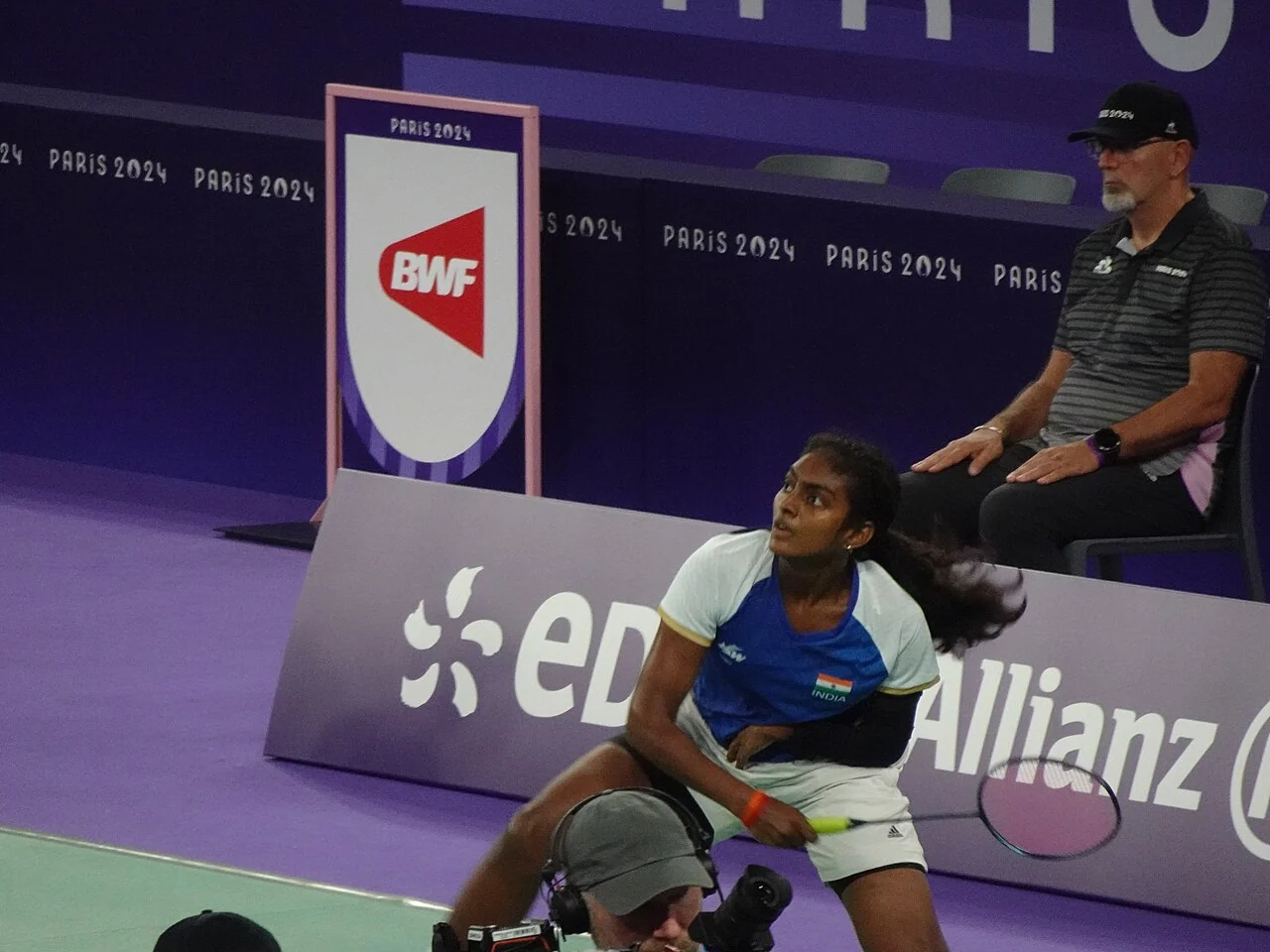
Ayush Shetty's China Open win was built around recovery rather than momentum. The Indian shuttler lost the second game 5-21 to Alwi Farhan, then rebuilt his patterns to take the decider 21-17 at the Super 1000 event.
Key points
- Shetty defeated Alwi Farhan 21-17, 5-21, 21-17.
- The match was played at the Olympic Sports Center Gymnasium in Changzhou.
- Shetty advanced to face Nhat Nguyen in the round of 16.
The scoreline shows two different matches
Shetty controlled the first game 21-17 before Farhan accelerated through the second 21-5. A swing that large can pull a player into rushed decisions, but Shetty restored enough length and patience to win the third 21-17.
The result removed the world No. 11 from the draw and gave Shetty another high-level reference point against a player from the same emerging generation.
Super 1000 pressure rewards resets
The China Open sits at Super 1000 level, where early rounds can carry the quality of later stages elsewhere on tour. A difficult opener therefore tests both technique and emotional control.
Shetty's next match against Nhat Nguyen offers a different tactical problem, but the ability to recover from a 5-21 game is already the strongest signal from his opening day.
Boda8 Sport analysis
Analysis: Badminton momentum can disappear within minutes. Shetty's win matters because he did not need to recover the second game; he only needed to stop it from defining the third.
That separation between one bad phase and the next point is a competitive skill Boda8 Sport will continue to track across the China Open.
Sources reviewed
- 01Outlook IndiaAyush Shetty stuns world No. 11 to reach China Open second round22 Jul 2026
- 02China.org.cnShi Yuqi, Chen Yufei advance as badminton China Open kicks off22 Jul 2026