

The 2026 NBA Summer League runs from 9 to 19 July with 76 games across 11 days. Alongside rookie performances, the league is testing changes that could affect pace, officiating and the data available from each possession.
Key points
- The Las Vegas schedule contains 76 games over 11 days.
- The NBA is testing a one-free-throw rule during Summer League.
- A connected basketball is also being used to collect new game data.
More than a rookie showcase
Summer League is built around opportunity. Draft picks receive their first extended NBA environment, returning prospects try to strengthen their case and undrafted players compete for the next contract or invitation.
The compressed schedule makes evaluation difficult but useful. Teams can see how a player processes new terminology, responds to fatigue and fits beside unfamiliar teammates, all within a matter of days.
Rules and data share the court
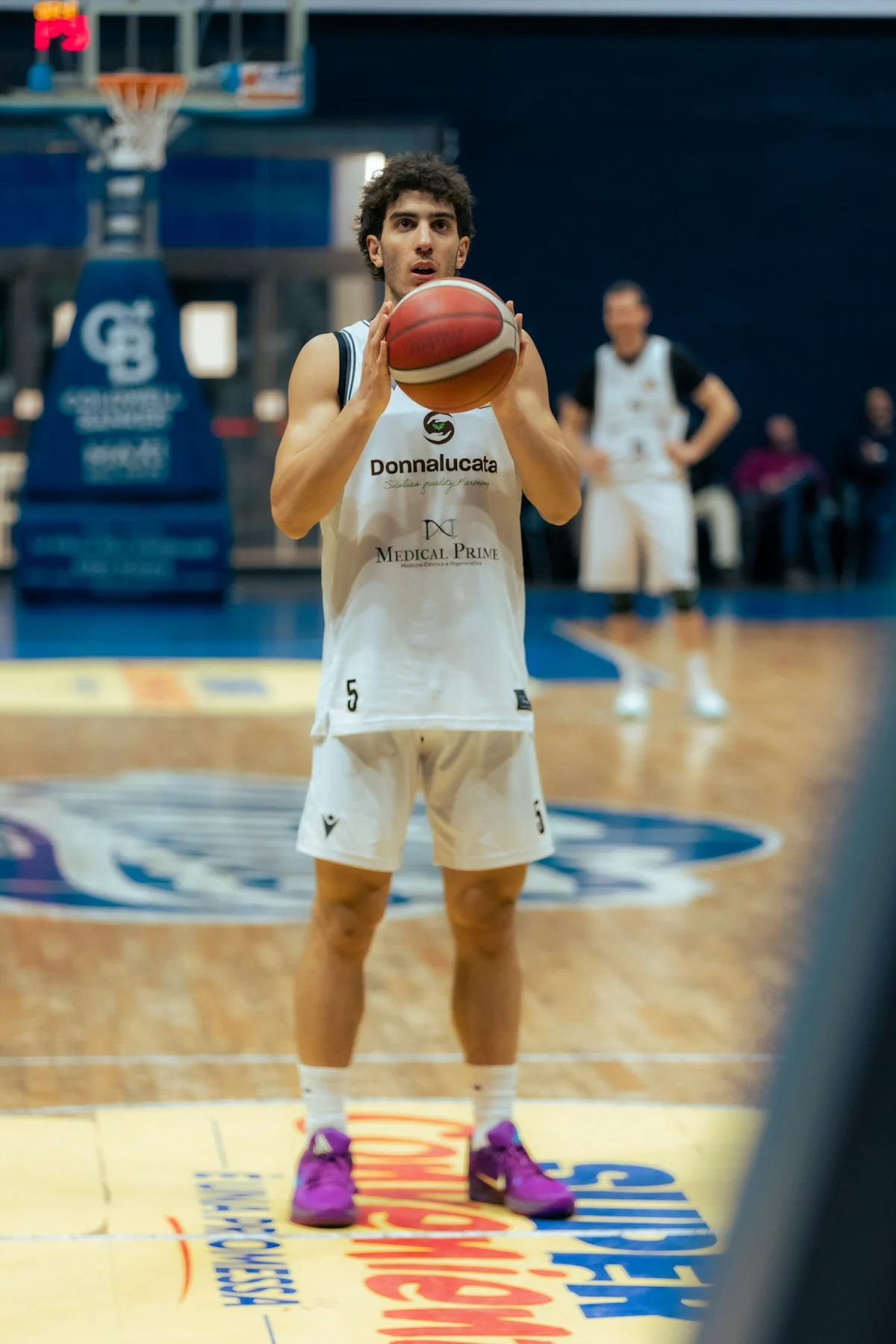
The one-free-throw experiment compresses multiple awarded free throws into a single attempt worth the corresponding number of points. Its practical test is whether the saved time improves flow without changing late-game strategy in unwanted ways.
The connected basketball adds another layer. Better ball-tracking data could support coaching, officiating and broadcast analysis, but the value will depend on accuracy and whether the information explains the game rather than simply adding more numbers.
The decisions that follow Vegas
A strong Summer League does not guarantee an NBA role, and an uneven week does not end a player's development. Teams will combine the games with practice habits, physical testing and longer-term scouting evidence.
The same caution applies to the experiments. Las Vegas is a laboratory, not a final verdict. The most useful outcome is clearer evidence about which ideas deserve a larger test.
Sources reviewed
- 01NBA2026 NBA Summer League official hub15 Jul 2026
- 02NBANew rules to be tested at NBA Summer LeagueJul 2026
- 03NBAKey dates for the 2026-27 NBA seasonJul 2026